Showing posts with label antioxidant. Show all posts

Monday, November 21, 2011

Homemade Chicken Noodle Soup

So Kris and I are getting ready to move back to Colorado in a few weeks and were trying to plan out meals for what we would like to eat from now until we leave. We sat down and decided on a few of our favorite recipes. All of the meals we decided on you can make up ahead of time and freeze for later. Then, when you are hungry and don't feel like cooking, you can just warm them up on the stove.

Basically, we spent the whole day Saturday shopping, cooking, and waiting for stuff to cool so we could put it away. We ended up making about 25 meals for us (or 50 servings) of food that we can eat from now until we leave. We were both pretty exhausted by the end of the day, but are thrilled that we won't have to really cook again before we leave unless we want to.

Why do I share this all with you? Because cooking can be healthy, cheap, tasty, and fast when you plan ahead and use fresh, nutrient rich ingredients. I have been saying that I will share two of my soup recipes for awhile and after our cooking extravaganza on Saturday, I am finally ready to release one!

This homemade grandma-style chicken noodle soup is amazing! You make everything from scratch, even the stock and the noodles. It's also really easy to make, and goes a long way. Like many soup recipes, it is very versatile and you can make it with different consistencies, flavors, and vegetables. With the cold weather starting to creep in, and with it colds, coughs, and stuffy noses, this recipe is definitely a good one to hang on to for those chilly winter nights when you just want to curl up under a blanket and get warm and cozy. I hope that you will love this recipe just as much as I do. Enjoy!

*Parts of this recipe are adapted from Tyler Florence's Chicken Noodle Soup Recipe.
Ingredients:
Makes 14, 1 & 1/2 Cup Servings

Stock:
  • 1 Whole Chicken (free-range)
  • 3 Stalks Celery (cut into large chunks)
  • 2 Carrot Green Tops
  • 2 Carrots (cut into large chunks)
  • 2 Large White Onions (quartered, still attached to the root)
  • 1 Medium Turnip (quartered)
  • 1 Head of Garlic (cut in half)
  • 1/4 Bunch Fresh Thyme
  • 5-7 Sprigs Fresh Parsley
  • 2 Bay Leaves
  • 1 tsp Whole Black Peppercorns
Soup:
  • Lug of Extra Virgin Olive Oil  
  • 1 Medium Onion (chopped)
  • 3 Garlic Cloves (minced)
  • 2 Carrots (chopped to desired size)
  • 3 Stalks of Celery (chopped to desired size)
  • 4 Sprigs of Fresh Thyme (leaves only)
  • 1 Bay Leaf
  • *Shredded Chicken from Stock*
  • *Stock made previously*
  • *Egg Noodles* (recipe follows)
Egg Noodles:
  • 2 Cups Flour
  • 3 Egg Yolks
  • 1 Egg
  • 2 tsp Salt
  • 1/4-1/2 Cup Water
Directions for the Stock: 
  1. Place whole chicken (minus the giblets) in a large stock pot along with the rest of the vegetables on the stove on medium high heat.
  2. Pour only enough water in to cover up the chicken and vegetables (about 2 & 1/2 - 3 quarts).
  3. Add the thyme, parsley, bay leaves, and peppercorns and bring to a boil. 
  4. Once it boils, turn the heat down to medium-low and gently simmer for 1 & 1/2 hours, partially covered, until the chicken is fully cooked.
  5. Remove the chicken to the cutting board and once it cools remove the skin and bones and shred the meat. Set the shredded meat to the side to use later.
  6. Strain the stock and remove the vegetables, then set them to the side in a separate bowl.
  7. Let stock cool and skim the fat off the surface then set the stock to the side.
  8. Remove the root from the onions and puree onions, carrots, carrot tops, turnip, and celery in a blender or food processor.
  9. Add pureed vegetables back into the stock; whisk together and set aside for later. 
Directions for the Egg Noodles:
  1. Place flour in a bowl, then, after making a well in the center, add in the egg yolks, egg and salt.
  2. Thoroughly mix with hands.
  3. Add the water in 1 Tbsp at a time, mixing after each addition. 
  4. Stop adding water when you can roll the dough into a ball. 
  5. On a floured surface, knead the dough until it is smooth and elastic (about 10 minutes)
  6. Cover and let it rest for 10 minutes.
  7. Divide into 4 equal parts.
  8. Using one part at a time, roll dough into a paper-thin rectangle. Keep remaining dough covered.
  9. Gently and loosely, roll rectangle into a spiral. Cut to desired thickness and unroll. 
  10. Place strips to dry on a towel or wax paper. This will usually take about 2 hours. 
  11. Break the strips into small strips when dry. 
  12. Cook in boiling water with salt added for about 15-20 minutes until tender. Drain, then add to soup when soup is finished.
Directions for the Soup:
  1. In a stock pot, add oil and wait for it to heat. When heated, add in the onion, garlic, celery, carrots, thyme, and bay leaf. 
  2. Cook and stir until vegetables are tender (about 6 minutes).
  3. Pour in the chicken stock and bring to a boil. 
  4. Add in the shredded chicken and simmer for another few minutes to bring to the same temperature. 
  5. (If you are going to serve all of the soup at once, stir in the already cooked egg noodles and cook for another minute or so)
  6. Separate into equal servings. Salt and pepper to taste and sprinkle with fresh parsley. 
  7. (If freezing remaining soup, separate into freezer safe Tupperware to cool before placing in freezer. To defrost, simply place soup in a pot on the stove and add a little bit of water until it is the right consistency. When warm, and noodles are cooked, add the noodles into the soup). 

 Nutrition Facts (with noodles, per serving):
  • Calories: 350
  • Total Fat: 20 grams
  • Sodium: 796 mg
  • Potassium: 189 mg
  • Sugars: 3 grams
  • Protein: 21.2 grams
  • Vitamin A: 51.4%
  • Vitamin C: 16%
  • Calcium: 3%
  • Copper: 4%
  • Folate: 5.5%
  • Iron: 13%
  • Magnesium: 4%
  • Manganese: 10%
  • Phosphorus: 4.5%
  • Selenium: 12%
 What it Costs:
  • Total cost is somewhere between 13-15 dollars.
  • When you divide this by how many servings you get (14), it's about 1 dollar per serving. Definitely a lot cheaper than a frozen dinner or fast food.
Tips and Tricks
  •  When making the egg noodles, don't just throw away the egg whites from the yolks you have to use. Save the egg whites in a bowl in the fridge and use them to make my healthy and tasty bran muffins. Here is the recipe: Michelle's Healthy and Tasty Bran Muffins
  • The reason I don't add the noodles into the soup when I cook it is because we freeze all but two servings of the soup (which we eat right away). The noodles will get soggy if they are cooked, frozen and reheated again. The easiest thing to do is to cook as many noodles as you need per serving separately, and then add them into the reheated soup. This will keep the noodles from getting soggy, and will also make sure that you get the right amount of noodles in your serving of soup.  
  • While the stock is cooking you can make your noodles. Don't worry, if they're not dry by the time you need to boil them, you will still be able to cook them the same way. Just be sure to wait for the remaining noodles to dry before you put them away in a bag to store them.
  • The stock and soup are very versatile. You can add whatever else in that you want to make it taste the way you like it. The essentials for any chicken stock however are chicken, carrots, celery, onion, garlic, spices, and herbs. So while you can add other things to the stock, I wouldn't recommend removing any of these ingredients from it or else it will loose its flavor. 
  • You do not have to puree the left over vegetables from the stock if you do not wish to do so. Pureeing the vegetables adds A LOT more flavor to the stock though, so I would highly recommend it. You can also play around with how much of the vegetables you want to puree and which ones to give it a different consistency and flavor. 
  • You can also use rice instead of noodles to make it healthier. About half of the time we eat this soup I will make up some brown rice to toss in.
  • As always, it is much better to buy organic vegetables if you can get them.
Why it is Healthy:
  • For one, you are cooking from scratch and it is pretty hard to beat that. Everything from the stock to the noodles, you will be creating yourself. This way you can know for sure what you have put in it, and how much of what you have put in it. 
  • You get to develop the flavors of the chicken naturally and cook it in a healthy way. By boiling the chicken with vegetables and letting it sit in its own juices instead of cooking it with oil in a frying pan, it becomes less fatty.
  • This recipe uses a ton of vegetables that are terrific for you. If you make the recipe just as I have written it you will be getting carrots, carrot greens, turnip, onions, celery, parsley and thyme. You are getting them directly in the soup, but also in the stock and the puree if you add it to the stock. This bowl of soup is packed full of nutrients. Especially in the winter, this soup can help keep you healthy!
  • Carrots are great because they are high in carotenoids and as such have many different health benefits. High carotenoid intake has been associated with a decrease of up to 50 percent in bladder, cervix, prostate, colon, larynx, and esophageal cancer as well as up to a 20 percent decrease on postmenopausal breast cancer. Carrots are also good for your eyes because they have the carotenoids lutein and zeaxanthin which can prevent cataracts and keep your eyes from degenerating. These carotenoids also break down to vitamin A in the body which is an antioxidant and immune system booster and can also help you see better in dim lighting. By adding the carrot greens to the puree you probably won't be able to taste them but you will get the potassium and protein they provide. 
  • Celery is good because it helps lower high blood pressure. It also contains silicon which is good for bone health. Celery can also help stop the growth of cancer cells.
  • Onions help to build strong bones and can reduce death from heart disease by 20%. It can also help relieve asthma.
  • Turnips are an incredibly healthy vegetable. One cup of cooked turnips only has 35 calories but has 3 grams of fiber, 250 mg of potassium, 18 mg of vitamin C, and 51 mg of calcium. As such they are very good for bone health. 
  • Garlic lowers cholesterol and prevents blood clots. Garlic also has anti-cancer properties and can even help fight the common cold. Also, it can help with blood pressure. It has recently been discovered that garlic can help with weight control. 
  • Parsley can help fight cancer.
  • Thyme contains antioxidants as well as aids with digestion. It can even relieve chest and respiratory problems like coughs or bronchitis.
  • Most of the information regarding the vegetables and herbs was taken from The 150 Healthiest Foods on Earth by Jonny Bowden.
Well, that's my recipe for today. I hope that you enjoy it. Please feel free to comment with any questions and I will be happy to answer them. Also, "like" the Tummy Temple on Facebook here:
The Tummy Temple Facebook Page

As always, thanks for reading and eating along with me!


Friday, November 11, 2011

Fall Fruit Salad

As all of you probably know by this point, I am a fall fanatic! Aside from the weather, colors, and clothes, I love the seasonal fruit! Apples are definitely my favorite, but there is a whole plethora of all fall fruits that are delicious!

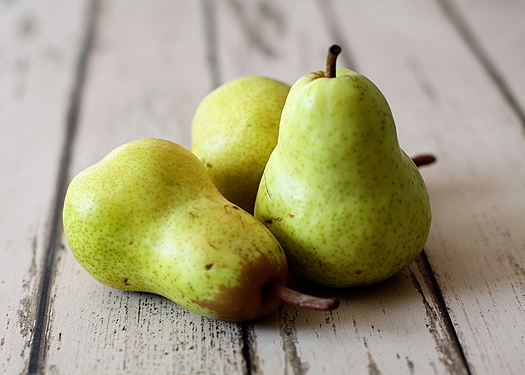
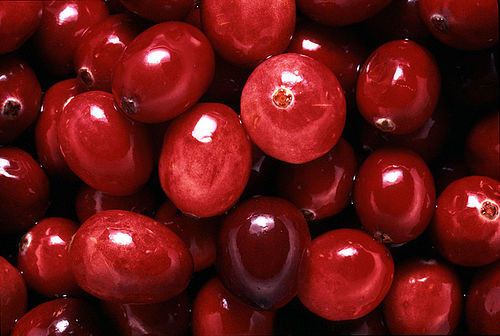
Several weeks ago I was at the grocery store with my husband shopping for apples in the organic produce section and I saw a bag of fresh cranberries. I had actually never seen fresh cranberries in person before and was very excited. I just had to get some and see what I could do with them. First off, if you've never eaten a cranberry by itself before, it is nothing like cranberry juice, or the cranberry sauce everyone loves at Thanksgiving. Real cranberries, though flavorful, are incredibly tart! I knew of all of the great benefits cranberries have, especially as a woman, so I really wanted to try to make something with the cranberries without adding much sugar to balance our the tartness. What I ended up with was a delicious fall salad made with apples, pears, grapes, cranberries, vanilla yogurt, walnuts, and cinnamon. 

My husband Kris loved it surprisingly. The natural sugar from the other fruit balances out the tartness in the cranberries and makes for a good mix. This salad recipe is also extremely versatile as you can play with different kinds of nuts, or no nuts at all, different kinds of fruits, yogurt, and spices. You can also do different proportions than what I did to get the flavor you want. It is also great because you can eat it almost any time of day for breakfast, a side to lunch, or dessert. Below is my recipe for my fall fruit salad that is also incredibly healthy for you. (I gave general proportions for the cranberries and grapes so that you can have it either more tart or more sweet depending on if you use more of one or the other):

Ingredients:
About 8 servings:

A couple handfuls fresh cranberries (quartered)
Several handfuls red seedless grapes (quartered)
1 Honey crisp apple (chopped)
1 Green pear (chopped)
6 Oz low fat vanilla yogurt
A handful chopped walnuts
Sprinkling of cinnamon

Directions:
  1. Once you have chopped everything up, combine all of the ingredients (except the cinnamon) in a large bowl and gently mix them together until the yogurt lightly coats all of the fruit and nut pieces (If you want, you can toast the walnuts in the oven at 350 degrees for 2-5 minutes).
  2. Sprinkle cinnamon on salad to taste and gently stir again. 
  3. Chill in the refrigerator, or eat right away and enjoy!
Nutrition Facts:
  •  Calories: 117
  • Total Fat: 5.5 grams
  • Potassium: 137.3 mg
  • Fiber: 3 grams
  • Sugar: 12.2 grams
  • Protein: 2.4 grams
  • Vitamin B-6: 7%
  • Vitamin C: 16%
  • Calcium: 5%
  • Copper: 8%
  • Iron: 3%
  • Magnesium: 5%
  • Manganese: 20%
  • Phosphorus: 6%
  • Riboflavin: 5%
  • Thiamin: 4%
Why It's Good For You:
  • Pretty much all of the fruit in this salad (except the grapes) are in season in the fall. This means that you can buy organic (they will have ripened naturally and without the use of pesticides or other chemicals) and they will taste amazing!
  • Apples: As I have written about in previous posts (Marvelous Mini Apple Pies), apples are great for you. The skin on them provides a lot of fiber and they have a lot of antioxidants in them to prevent you from getting sick. Read my previous post to learn more about apples.
  • Pears: Pears provide both fiber and potassium and are not very high in calories. They also contain a lot of other good minerals like calcium, phosphorus, and magnesium. Some have said that pears are great because they are less likely than other fruits to provoke an allergic reaction. 
  • Grapes: Grapes contain a compound called resveratol. In humans, high intakes of resveratol is associated with a reduced risk in cardiovascular disease and a reduced risk of cancer. Resveratol is also one of the best anti-aging substances around. The life spans of all life forms tested so far has been dramatically lengthened by even small amounts of resveratol. Grape skins are also a good source for favonoids called oligomeric proanthocyanidins. This is basically a "super-antioxidant." They also lower cholesterol and are terrific for allergies as they have a natural antihistamine effect. 
  • Cranberries: Studies have shown that cranberries have some of the most potent antioxidants of any common fruit studied. They have anticancer properties as well as antibacterial properties that aid in preventing urinary tract infections. It's true, doctors will recommend eating raw cranberries if you think you might be contracting a UTI. Cranberries are nutrition-packed red bombs and though tart, are balanced out very well in this salad.

  • Walnuts: Walnuts contain the highest amounts of omega-3 fats of any other nuts. Omega-3 is an incredibly healthy fat that can benefit you in many ways. One of these ways is to support brain function in several ways. Omega-3 fats can actually improve your mood. High consumption of omega-3's has been linked to low levels of depression. Walnuts are also great for kids and have been linked to less behavioral problems and less ADD-like behavior. Walnuts can also help you manage your weight. Eating a few walnuts before a meal decreases levels of hunger and may cause you to eat less at meals. 
  • Yogurt and Cinnamon: are also really good for you as well, providing benefits such as having a healthy digestive system because of the "good" bacteria in yogurt and upping your immunity. Cinnamon is good because it can help with pain and stiffness in your muscles and joints as well as reducing blood sugar and lowing cholesterol. There's not a lot of yogurt or cinnamon in this recipe, however, if you are interested in getting more benefits from these other two ingredients you can add more of either. Just be aware that adding yogurt will up the fat and/or sugar content depending on what kind of yogurt you get. I would even recommend getting an organic Greek yogurt and adding either agave and vanilla to sweeten it up or just buy vanilla flavored Greek yogurt. 
  • *Most nutritional information in this section was taken from The 150 Healthiest Foods on Earth by Jonny Bowden.    


I love this salad because it uses so many fruits that are in season. As I have said before, I think it is truly amazing that God allows fruits with lots of antioxidant power which helps you from getting sick, to be abundant in the seasons when we need protection from sickness the most. Feel free to experiment with this salad and make it your own. Hope you enjoy and as always, thanks for reading and eating along with me!

P.S. I will also be posting some delicious chilly weather soup recipes very soon!

    Thursday, October 13, 2011

    A Chocolate A Day . . .


    Since it's almost Friday I wanted to write today about something more fun in the healthy food world . . . CHOCOLATE! Who doesn't love chocolate? I mean, I'm a girl, so it's kind of in my DNA, but seriously, who doesn't just love chocolate? I tend to crave chocolate on bad days or when I'm moody and I spent my whole life trying to fight that craving until one day I came to a beautiful realization: chocolate can actually be good for you. Let me say it again so you can be sure I didn't type it incorrectly: Chocolate can actually be good for you!

    Yes, I know you're thinking I'm crazy, but before you decide to stop reading my blog and never return because the crazy lady thinks chocolate is good for you, let me explain:

    Let me start off by saying that I said chocolate can be good for you. It really can, that is if you eat the right kind. When I was in high school I absolutely detested dark chocolate. Under no circumstances would I ever have eaten the stuff. This also could have been because I had overloaded my body with sugar from milk chocolate and white chocolate candy bars. The bitterness of dark chocolate just didn't compare to the uber sweetness of regular chocolate.  I vowed to never ever eat dark chocolate, and I kept my word until about six months ago.

    I was being an early morning bum watching the Today Show on NBC. They had a health expert on, as they often do, who was talking about ways to make a healthier lunch. I was checking my e-mail when  I heard this lady say that having a bit of chocolate everyday can actually be good for your heart. Thinking that I must have misheard her, I quickly rewound, and much to my surprise heard her say the same thing. The problem was that it had to be dark chocolate. Bleh! The expert said that as long as it was dark chocolate with a 60% or higher cacao content, one to two ounces of chocolate per day could actually benefit you.

    I decided to look into this further and found it to be quite true. Kris and I decided to buy individually wrapped ounces of dark chocolate just to try it out. At first, I wasn't crazy about it, but I was crazy, however, about the idea of being able to eat chocolate daily without feeling guilty about it. Eventually, I got used to it, and had an ounce of dark chocolate at the end of lunch every day to finish off my meal. Then, one day, we were out of dark chocolate so I got into the pantry to find the milk chocolate baking morsels we had and grabbed a small handful out. I only had a couple of chips before I had to spit them out. The chocolate tasted synthetic and had a weird texture. It was then that I realized, the darker the chocolate, the more "real" the chocolate was.

    The food industry has put us on a sensory overload when it comes to taste. They use synthetic, chemical flavoring as well as ridiculous amounts of sugar to make food taste more intense so your taste buds will like it more. Unfortunately, this same phenomena is what often gets us addicted to food in the first place. Because of this, often natural foods, even sweet ones do not taste as good to us as they should. Our taste buds have become "desensitized" in a way.

    Needless to say, since the milk chocolate incident I have become a lover of dark chocolate and am so glad that we decided to try it.

    Okay, so maybe you're still not believing me about the whole chocolate being good thing. Here's the part where I will actually explain why: Dark chocolate, when eaten every day can decrease your risk for cardiovascular disease by 75%!!!! That's crazy! The reason for this is the flavonoids in cocoa. Chocolate really comes from these little cocoa beans that though bitter, have terrific flavor and many health benefits. The flavonoids found in chocolate are called flavanols and they prevent fatlike substances from clogging arteries in your bloodstream (Johnny Bowden author of The 150 Healthiest Foods on Earth). With a reduced risk in your blood clotting you can help your body prevent heart attacks and strokes. They can also lower your blood pressure.

    Cocoa beans are also high in anti-oxidants which can help you from getting sick and help prevent you from getting a wide variety of other diseases. In 1998 the British Medical Journal reported that dark chocolate consumption is linked to longer life. The proof is in the pudding, er, chocolate that is, you should probably stay away from chocolate pudding though . . .

    Dark chocolate does have fat in it though so if you're going to eat it, you should substitute it for other kinds of fats and sugars you are currently eating. It will be better for you any way. You must also be able to limit yourself to just 1-2 ounces of chocolate per day (this is roughly about two squares on a candy bar).

    To sum up, I want to give you some guidelines when it comes to eating dark chocolate:
    • High cacao content (60% or higher)
    • Organic is always better, but not required
    • Low sugar content
    • Low sodium
    • Low saturated fat
    • If the ingredients include milk fat, make sure that they also include cocoa butter (cocoa butter is fairly expensive and so most companies will try to cut corners by using the cheaper, and worse for you, milk fats).
    • Limit yourself to 1-2 ounces per day 
    Kris and I are currently eating Ghirardelli's Premium Baking Chips Bittersweet Dark Chocolate-60% cacao. We have tried several different brands and this is the one we like the best. We have found that usually it's cheaper to buy the baking chips instead of individually wrapped chocolate. We make sure to limit ourselves by separating the chocolate into ounces and putting it into little, individual Ziploc snack bags.


    Please let me know if you have any questions about dark chocolate and this post. I hope you get to enjoy, as I have, your daily allowance of that all-too-delicious (and good for you) dark chocolate!